Geo Pomona Waste Management is showcasing Zimbabwe’s waste management transformation at the Africa Waste is Wealth Summit and ISWA Africa Regional Conference 2026, where governments, industry leaders, investors and technical experts are meeting to chart the future of waste management across the continent.
The conference, which runs under the theme of transforming waste into value, has brought together stakeholders from across Africa to discuss policy reform, circular economy systems, waste infrastructure financing, technological innovation and strategies to unlock the economic potential of the waste sector.
Delivering a keynote address at the summit, Geo Pomona Waste Management Chief Executive Officer and Executive Chairman Dr Dilesh Nguwaya said Africa’s growing waste challenge should be viewed not merely as an environmental burden but as a major economic and industrial opportunity.
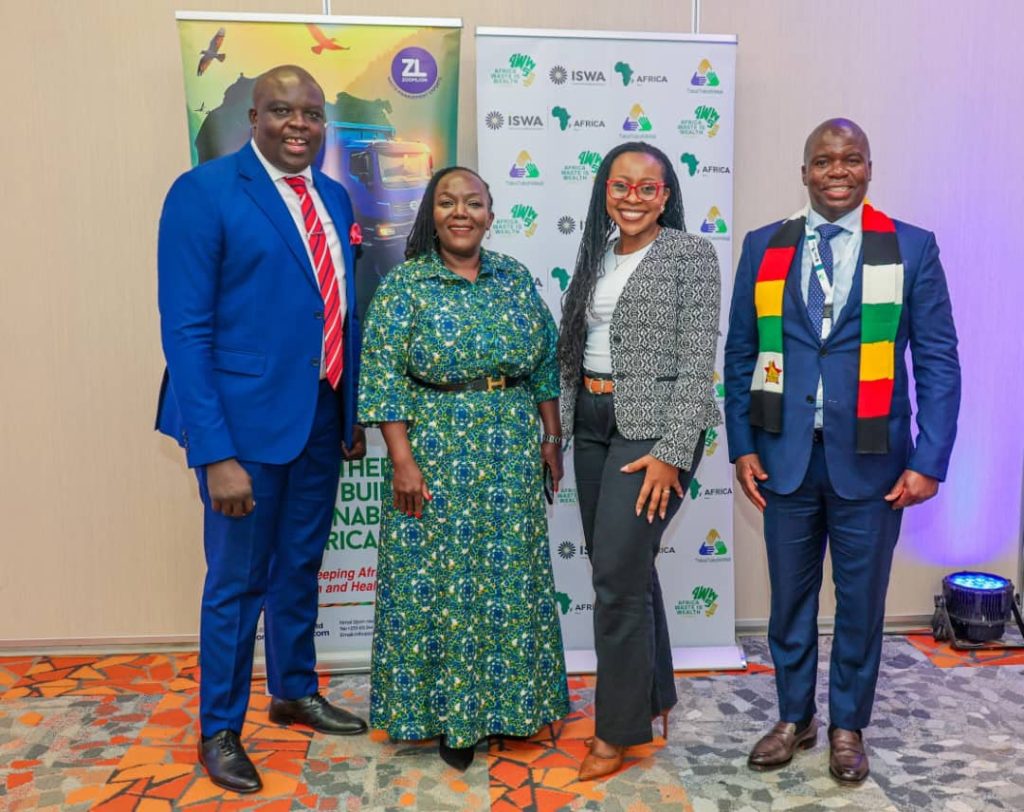
“Africa’s waste challenge is growing rapidly with urbanisation, population growth and climate pressure, but this is also one of the continent’s clearest infrastructure opportunities because waste is no longer only a sanitation issue; it is an economic, environmental, energy and industrial development issue,” said Dr Nguwaya.
He noted that as African cities continue to expand, the continent must accelerate investment in modern waste management infrastructure capable of delivering environmental, economic and social benefits.
Dr Nguwaya said successful waste management systems have already demonstrated their ability to reduce emissions, improve public health, create jobs and strengthen climate resilience.
“Across the continent, the lesson is clear: isolated interventions will not be enough, and what Africa now requires is integrated systems thinking, long-term investment and execution at scale,” he said.

Geo Pomona’s participation extends beyond attendance, with company representatives contributing practical insights drawn from the operation of Zimbabwe’s flagship integrated waste management facility and participating in discussions on dumpsite rehabilitation, innovative waste treatment technologies, circular economy implementation and sustainable municipal waste systems.
The opening sessions of the conference focused on proactive policy formulation, circular economy frameworks, municipal waste governance systems and the deployment of technology to support inclusive circular economies across Africa. Delegates also examined how stronger regulatory frameworks and strategic investment can help transform waste into a driver of industrial growth and environmental sustainability.

For Geo Pomona, these discussions align closely with the practical work being undertaken in Zimbabwe to modernise waste management and promote resource recovery.
Dr Nguwaya said unlocking the full value of Africa’s waste sector would require stronger collaboration between governments, development institutions, investors and private sector operators.
“That execution will depend on financing models that treat circular waste infrastructure as both a public necessity and a bankable climate and industrial investment,” he said.
He also called for African-led solutions to African challenges, underpinned by innovation, accountability and strategic partnerships.
“Africa’s waste future will be shaped by African leadership, African innovation and African accountability, strengthened by credible global partnerships,” said Dr Nguwaya.
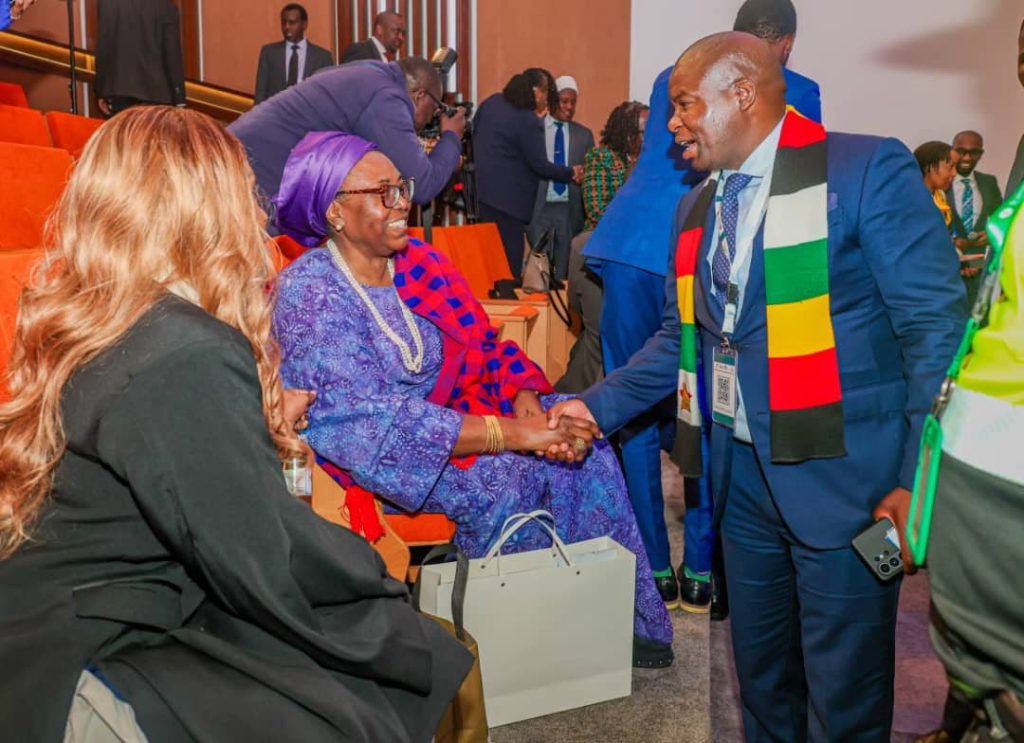
As discussions continue in Nairobi, delegates are exploring ways to harmonise standards, strengthen regulatory frameworks and develop investable projects capable of accelerating Africa’s transition towards a circular economy.
The summit is expected to generate recommendations that will help shape future waste management policy, investment and infrastructure development across the continent, with Geo Pomona contributing its operational experience to efforts aimed at transforming waste from an environmental challenge into a catalyst for economic growth, industrial development and shared prosperity.